

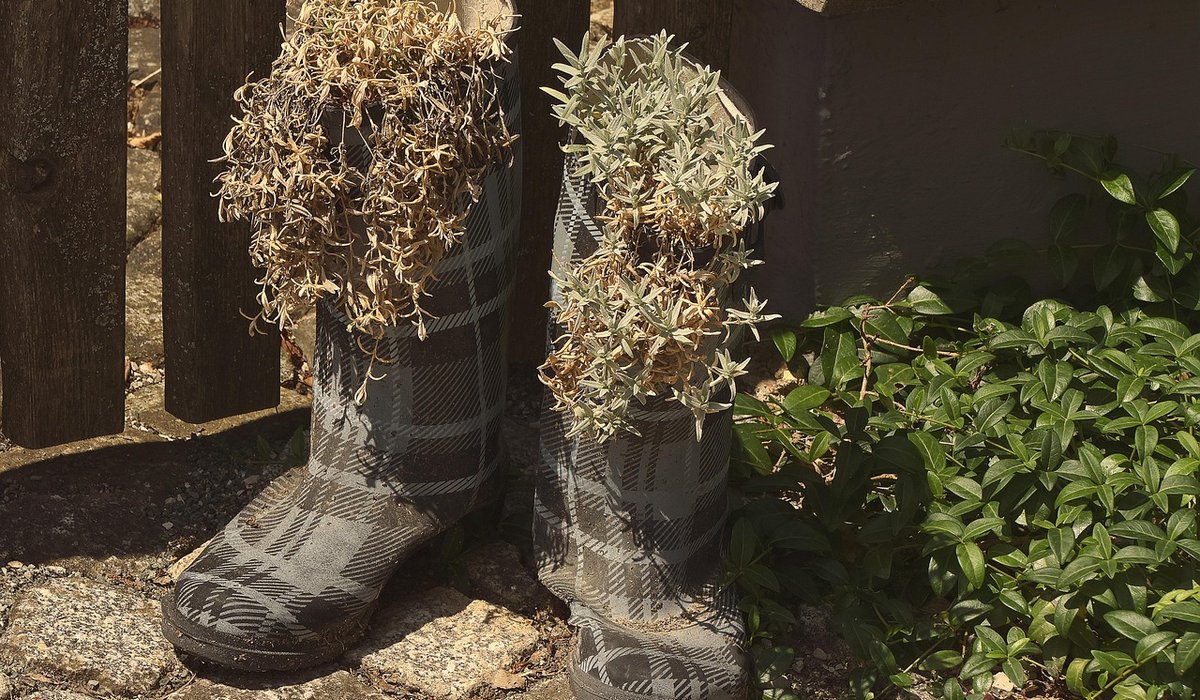
Few things beat stepping outside with a pair of scissors and coming back with a handful of parsley or a sprig of thyme. If you have a modest patio, a balcony or even a few square feet of paving outside the back door, containers give you a genuinely productive herb garden without digging up a single paving slab.
Pots do behave differently from a border, though, and it helps to know the two things that catch beginners out. First, compost in a container dries out far faster than soil in the ground, especially in a terracotta pot against a south-facing wall. Second, roots in pots get colder in winter and hotter in summer than they would underground. Choose the right spot, get the drainage right, and keep on top of watering, and your pots will happily crop from April through to October.
Think about aspect before you buy anything. Rosemary, thyme, sage and oregano come from Mediterranean hillsides and want the sunniest, most sheltered corner you have. Parsley, chives, mint and coriander are far more forgiving and will crop decently in partial shade.
It is tempting to buy a dozen varieties in a fit of enthusiasm. A better plan is to start with three or four you genuinely use in the kitchen and add more once those are thriving.
Buying a small established plant costs a little more than a packet of seed, but for the woody herbs it saves you a whole season of waiting.
Herbs hate sitting in soggy compost. Use a peat-free multipurpose compost as your base, then improve it according to what you are growing. For rosemary, thyme, sage, oregano and lavender, mix in roughly a quarter by volume of horticultural grit or perlite, which keeps the compost open and free-draining. For parsley, chives, mint and basil, straight multipurpose is fine, though a handful of grit never hurts.
Every pot needs drainage holes — no exceptions. Forget the old advice about a layer of crocks in the base; it simply raises the water table inside the pot. Instead, stand pots on feet or small blocks so water escapes freely.
Size matters more than most beginners expect. A 20–25cm pot suits basil, parsley or chives. Rosemary, sage and bay want 30cm or more, and a deep pot for rosemary is better than a wide shallow one. Terracotta looks lovely but dries out quickly; glazed or plastic pots hold moisture longer, which is often the kinder choice on a windy patio.
Check pots daily in summer by pushing a finger about 2cm into the compost. If it feels dry at that depth, water thoroughly until it runs out of the base — a light daily sprinkle encourages weak, shallow roots. Water in the morning where you can, so foliage dries before evening and avoids mildew.
In July and August, small pots may need watering twice a day during a hot spell. Never leave pots standing in a full saucer; soggy roots rot faster than dry ones.
Feeding is where flavour is won or lost. Give leafy herbs such as parsley, chives, mint and basil a weak liquid seaweed feed every fortnight. Basil in particular benefits from a tomato feed once it starts growing strongly. Go easy on the Mediterranean herbs — rich feeding makes soft, floppy growth with far less aroma. A single light feed in early summer is plenty for rosemary and thyme.
The single best thing you can do for a herb pot is use it. Regular picking keeps plants bushy and stops them running to seed.
Basil and coriander are annuals and will fade with the first cold nights. Bring a basil pot indoors to a bright windowsill in September and it may crop for another month or two. Sow coriander again in late summer for an autumn cut.
The hardy perennials — rosemary, thyme, sage, mint, chives and bay — will overwinter outside in most of the UK, but they need help. Move pots against a sheltered wall, raise them onto feet so they are not sitting in winter wet, and cut watering right back without letting the compost bone dry. A terracotta pot left in the open through a wet winter is the most common reason a rosemary dies.
Each spring, scrape off the top few centimetres of old compost and replace it with fresh, and repot anything that has filled its container. With a little routine, the same pots will keep you in herbs for years.

Gladworkshop Simple, genuine and looked after with care — the kind of place worth returning to.

Gladworkshop We spend our time finding what works so you don't have to, and sharing exactly what made the difference.

Fill cracks, sand filler flush and apply primer to create an even surface before painting any interior room.

Comments
ALina Kelian
19th May 2018 ReplyGladworkshop An honest, everyday look at the things that make life a little better — with advice you can actually use. ullamco laboris nisi ut aliquip ex ea commodo consequat.
Rlex Kelian
19th May 2018 ReplyGladworkshop No rushing, no fuss — just thoughtful notes and practical help, written by people who care. ullamco laboris nisi ut aliquip commodo.
Roboto Alex
21th May 2018 ReplyGladworkshop Simple, genuine and looked after with care — the kind of place worth returning to. ullamco laboris nisi ut aliquip ex ea commodo consequat.